
About Namibia
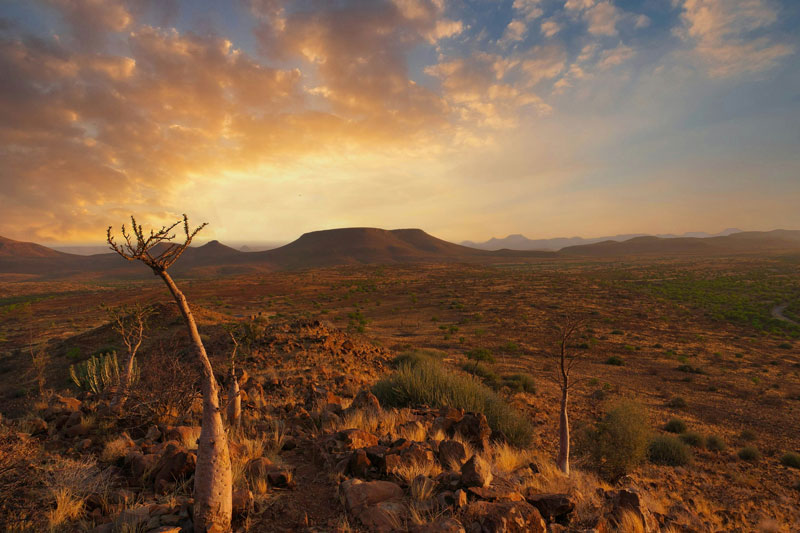
Namibia is one of Africa’s most striking and sparsely populated countries, a land of vast deserts, endless coastlines, and remarkable wildlife adapted to some of the harshest environments on Earth.
With a population of just over 2.5 million people spread across a country nearly twice the size of Germany, Namibia feels expansive, quiet, and profoundly untamed — an ideal destination for visitors seeking space, scenery, and adventure.
Namibia is ideal for self-drive exploration, thanks to well-maintained roads (but often not tarred) and low traffic. Distances are long, but the journey itself — across open plains and ever-changing landscapes — is part of the experience.
The best time to visit is during the dry season (May to October), when wildlife viewing is best and temperatures are moderate.
A Brief History
Namibia’s history is shaped by indigenous cultures, colonial rule, and a long struggle for independence. The San (Bushmen) are among the oldest continuous cultures in the world, with rock art sites such as Twyfelfontein dating back thousands of years. Later, Bantu-speaking groups such as the Herero and Ovambo settled in the region.
In the late 19th century, Namibia became a German colony known as German South West Africa. The colonial period was marked by conflict, including the tragic Herero and Nama genocide between 1904 and 1908.
After World War I, South Africa administered the territory until Namibia gained independence in 1990, following a prolonged liberation struggle led by SWAPO (South West Africa People’s Organization). Today, Namibia is politically stable and known for good infrastructure and conservation leadership.

Windhoek and Central Highlands
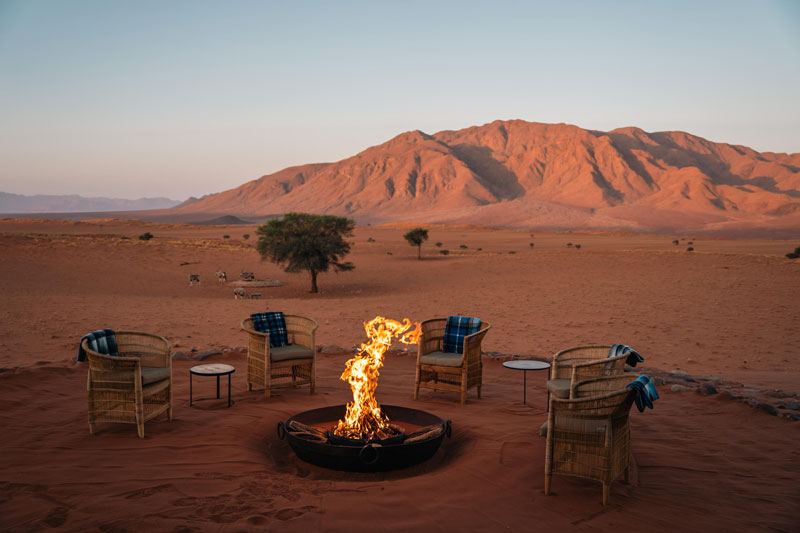
Most journeys begin in Windhoek, the capital city, located in the central highlands. Windhoek blends African and German influences, visible in its architecture, bakeries, and street names.
Etosha National Park
For wildlife lovers, Etosha National Park is Namibia’s premier safari destination. Dominated by the vast, shimmering Etosha Pan — a salt pan so large it can be seen from space — the park offers a unique safari experience.
During the dry season (May to October), animals congregate around waterholes, making wildlife viewing particularly rewarding. Visitors can expect to see elephants, giraffes, zebras, springbok, lions, cheetahs, and endangered black rhinos. Unlike many other African parks, Etosha allows self-driving safaris, making it especially appealing for independent travelers.
The Namib Desert and Sossusvlei
The Namib Desert is considered the world’s oldest desert, estimated to be at least 55 million years old. Within it lies Sossusvlei, one of Namibia’s most iconic sand dune landscapes.
Climbing Dune 45 or “Big Daddy” at sunrise is a highlight for many first-time visitors. Nearby, Deadvlei features ancient, skeletal camel thorn trees standing against a white clay pan, creating one of Africa’s most photographed scenes. Sesriem Canyon, carved by rare floodwaters, offers insight into the desert’s geological history.
The Namib is home to specially adapted wildlife, including oryx (gemsbok), springbok, ostriches, and even desert-adapted beetles that collect moisture from coastal fog.


Swakopmund and the Skeleton Coast
Along the Atlantic Ocean lies Swakopmund, a seaside town with strong German colonial character. Palm-lined streets, seaside promenades, and bakeries selling apple strudel create an unexpected European feel in the middle of the desert. Swakopmund is also Namibia’s adventure capital, offering sandboarding, quad biking, skydiving, and dolphin cruises in nearby Walvis Bay.
North of Swakopmund stretches the eerie and remote Skeleton Coast, named for the shipwrecks and whale bones that once littered its shores. Harsh Atlantic currents and dense fog have claimed many vessels over centuries. The area is also home to desert-adapted lions and large colonies of Cape fur seals at Cape Cross.
Damaraland and Twyfelfontein
Damaraland is a rugged, mountainous region known for its dramatic rock formations and cultural heritage. Here, visitors can track desert-adapted elephants that roam dry riverbeds in search of water.
The UNESCO World Heritage Site of Twyfelfontein contains one of Africa’s largest collections of ancient rock engravings, some over 6,000 years old. These carvings depict animals, human figures, and hunting scenes, offering a glimpse into early human life in the region. Nearby, the Petrified Forest and the volcanic rock formations of Spitzkoppe add to the area’s geological interest.


The Caprivi Strip (Zambezi Region)
In stark contrast to Namibia’s deserts, the Zambezi Region in the northeast is lush, green and riverine.
Fed by the Okavango, Kwando, and Zambezi Rivers, this area supports wetlands, forests, and abundant wildlife.
Bwabwata, Mudumu, and Nkasa Rupara National Parks offer boat safaris and excellent birdwatching. Elephants, hippos, crocodiles, and buffalo thrive here. The region connects to Botswana’s Chobe National Park and Victoria Falls, making it a convenient extension for travellers exploring southern Africa.
A typical trip might include Windhoek, Etosha, Damaraland, Swakopmund, Sossusvlei, and possibly the Zambezi Region.
What makes Namibia unforgettable is its sense of scale and solitude: watching elephants at a lonely waterhole, standing atop a silent red dune at dawn, or gazing at some of the clearest night skies in the world.
Namibia offers both adventure and relaxation — a country where nature feels immense, history is layered into the landscape, and the horizon seems endless.
Tailor-made tours and safaris to Namibia
We plan and book your dream holiday based on your budget and individual needs and wishes.
Namibia Highlights:
Etosha National Park
Namib Desert
Kalahari Desert
Swakopmund
Fish River Canyon
Contact us
Would you like to find out more? We can help you book your accommodation, find the right tour - and make all the arrangements for you.